 FoxDoo Technology
Best AI Image Generators for Marketing in 2026: What Actually Converts
Slug: best-ai-image-generators-for-marketing-2026
- Meta title: Best AI Image Generators for Marketing (2026): Real-World Conversion Guide
- Meta description: Compare top AI image generators for marketing teams in 2026 by creative quality, brand control, speed, and cost. Includes practical workflow and tool-by-use-case recommendations.
- Primary keyword: best ai image generators for marketing 2026
If you’re running marketing campaigns in 2026, the best AI image generator is not the one with the most “wow” outputs. It’s the one that consistently delivers brand-safe visuals, fast revision cycles, and reusable creative formats across channels.
Most teams lose time because they optimize for one beautiful image instead of a repeatable content pipeline. In practice, your system should generate:
- ad concepts,
- social variants,
- blog hero images,
- and landing page supporting visuals,
all with consistent brand direction.
What to evaluate before choosing a tool
1) Brand consistency
Can the tool stay on-brand after 20+ prompts, not just one? You need stable style, lighting, composition, and mood.
2) Iteration speed
How quickly can your team move from concept to approved version? Fast teams win with shorter review loops.
3) Marketing format coverage
Can it reliably output assets for blog headers, social posts, ad creatives, and basic display dimensions?
4) Editing control
Prompt-only is not enough. You need inpainting/outpainting, background cleanup, and fast variation controls.
5) Cost per usable creative
The real cost metric is “approved assets per hour,” not only token credits or subscription price.
Best tool by use case
| Use case | Best-fit direction | Why |
|---|---|---|
| Fast campaign ideation | Prompt-first tools | High volume concept generation and quick A/B exploration |
| Brand-controlled production | Style-consistent workflows | Better repeatability for ongoing campaigns |
| Performance ad testing | Variation-heavy pipelines | Fast generation of multiple hooks and visual angles |
| Content marketing visuals | Hybrid prompt + edit workflows | Better quality for blog/SEO pages and long-term assets |

Practical workflow for marketing teams
Step 1: Lock a visual brief
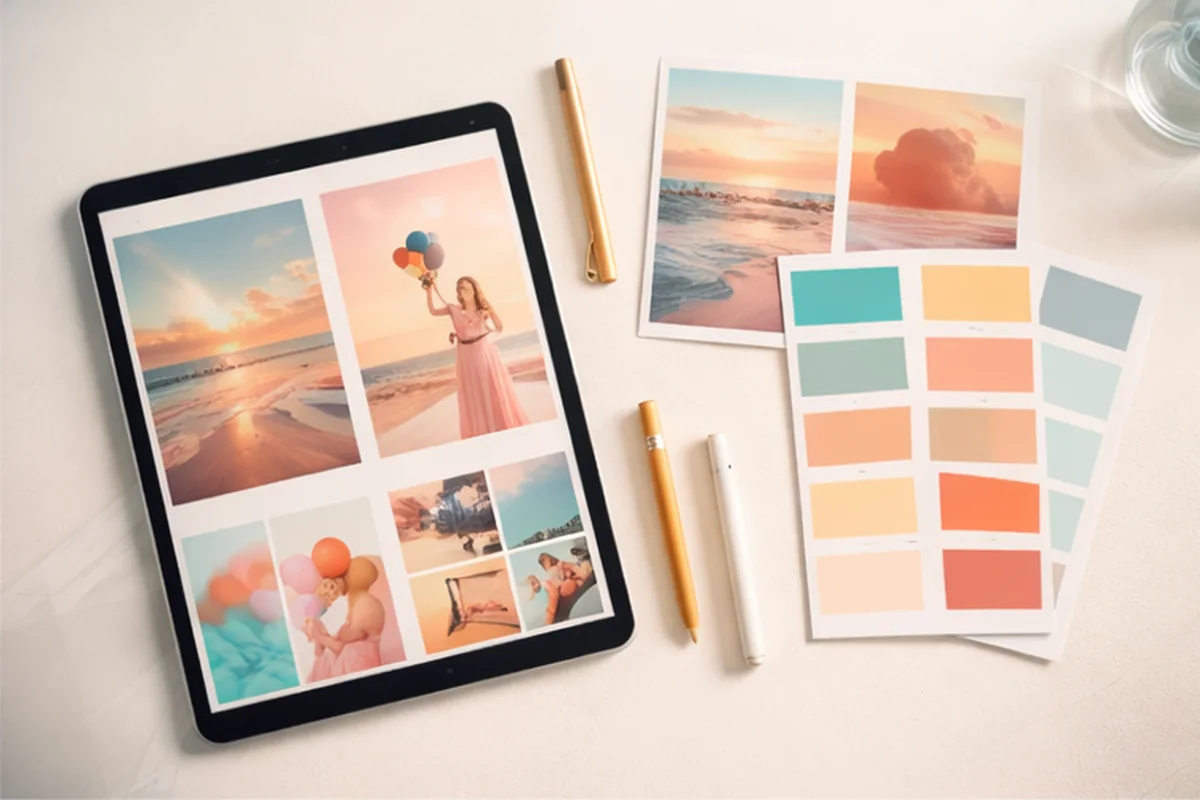
Define style, palette, mood, camera angle, and prohibited elements before generating any images.
Step 2: Generate in structured batches
Produce 4-8 options per concept with one variable changed at a time (composition, subject distance, lighting, color).
Step 3: Score assets with one rubric
Use a simple scorecard:
- Brand fit
- Message clarity
- Scroll-stopping impact
- Channel suitability
Step 4: Build variant packs
From one winning concept, create:
- Blog hero
- In-article supporting visual(s)
- Social card
- Ad variants
Step 5: Archive prompts and outputs
Keep prompt, output, and campaign result tied together so future campaigns improve instead of restarting from zero.
Common mistakes that hurt conversion
- Over-designing visuals that look artistic but unclear in message.
- Inconsistent style across a campaign (hurts trust and recognition).
- Skipping channel-specific adaptation (same image everywhere).
- Treating AI outputs as final without light editing and QA.
FAQ
Which AI image generator is best for paid ads?
The best option is usually the one that can generate multiple clean variants quickly and keep visual consistency across test sets.
Are AI-generated images good enough for brand marketing?
Yes, if your workflow includes a brand brief, style guardrails, and final QA before publishing.
Should small teams use one tool or multiple?
Start with one core tool and one backup workflow. Add complexity only after your base pipeline is stable.
Final takeaway
In 2026, the winning edge is not “best single image quality.” It’s operational speed + brand consistency at scale. Pick tools and workflows that reduce decision friction and increase approved creative output per week.