AI Page 10
Discover the latest AI technology, innovative tools, machine learning developments, and industry trends powered by FoxDooTech.

AI-generated overviews from Google are siphoning off referral traffic, delivering publishers a harsh revenue hit. This shift signals a major disruption as search becomes summary-first, leaving creators scrambling to adapt. Explore more: More AI briefs
OpenAI rolled out GPT-5 Nano, a compact model delivering instant, on-device translation for over 100 languages. It promises low-latency, high-accuracy results—perfect for seamless global chats on mobile and edge devices. Explore more: More AI briefs
The U.S. Army Reserve has recruited leading Silicon Valley execs—including Andrew Bosworth of Meta and Kevin Weil from OpenAI—to form a special advisory group. They’ll guide the Army on cutting-edge tech like AI and virtual reality, sparking discussions about corporate influence on military strategy. Explore more: More AI briefs
OpenAI just landed a huge $200 million pilot project with the Pentagon, tasked with building AI-powered tools for everything from cybersecurity to healthcare logistics. The project marks a significant step in integrating next-gen AI into public-sector workflows, without military weaponization. Explore more: More AI briefs
OpenAI just snagged a huge $200 million deal with the Pentagon to craft cutting-edge AI prototypes for defense and government applications. This landmark project could redefine AI’s role in military tech, showcasing tighter collaboration between Silicon Valley and Washington. Explore more: More AI briefs
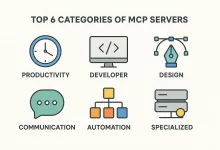
Look, I’m not gonna lie—when I first heard that an AI could control Blender with a single prompt, I thought someone was pulling my leg. But then I saw it in action. My jaw dropped. Those “Model Context Protocol” (MCP) servers? They’re the unsung heroes letting AI talk to every software you can imagine. And today? I’m diving deep. Why MCP Servers Matter MCP servers are kinda like the universal translators for AI. Want your model to fire off tweets? Done. Need it to whip up slides in PowerPoint? Easy. Heck, it can even manage your Excel spreadsheets. All with a prompt. No manual clicks. No endless API hoops. Just natural language and instant results. On a personal note, I...
Open-source AI heavyweight Hugging Face jumped into hardware territory, introducing HopeJR—a humanoid robot priced around $3K—and Reachy Mini, a desktop-sized companion costing just $300. These bots offer plug-and-play compatibility with Hugging Face’s extensive model library, giving users unmatched freedom without vendor lock-ins. Explore more: More AI briefs
Google’s decision to let its labeling agreement with Scale AI lapse hints at a broader move toward in-house data pipelines and raises questions about where Big Tech will shop for human-tagged corpora next. Explore more: More AI briefs
In an era where data privacy and real-time intelligence are paramount, running advanced AI models directly on consumer devices is no longer science fiction. Edge AI—the deployment of machine learning models on smartphones, tablets, and other local hardware—bridges the gap between on-device convenience and cloud-level sophistication. From local inference engines to full-featured mobile applications, Edge AI is unlocking new possibilities for user privacy, latency-sensitive experiences, and offline resilience. Why Edge AI Matters Today Traditional cloud-based AI relies on continuous internet connectivity and server-grade processors. While powerful, this approach raises three crucial challenges: Privacy Risks: Transmitting personal audio, image, or text data to remote servers exposes users to potential data breaches and third-party misuse. Latency: Even with high-speed networks, round-trip times...
AMD has introduced a fully integrated AI server solution powered by its latest GPU accelerators, and OpenAI is among the first customers set to benchmark its new silicon. Early tests indicate notable gains in throughput for large-scale inference tasks, positioning AMD’s package as a strong option for data-center AI deployments. Explore more: More AI briefs

 FoxDoo Technology
 FoxDoo Technology